

 Family Medicine
 Imaging Center Services
 Interventional Radiology
 Urgent Care
 Vein Center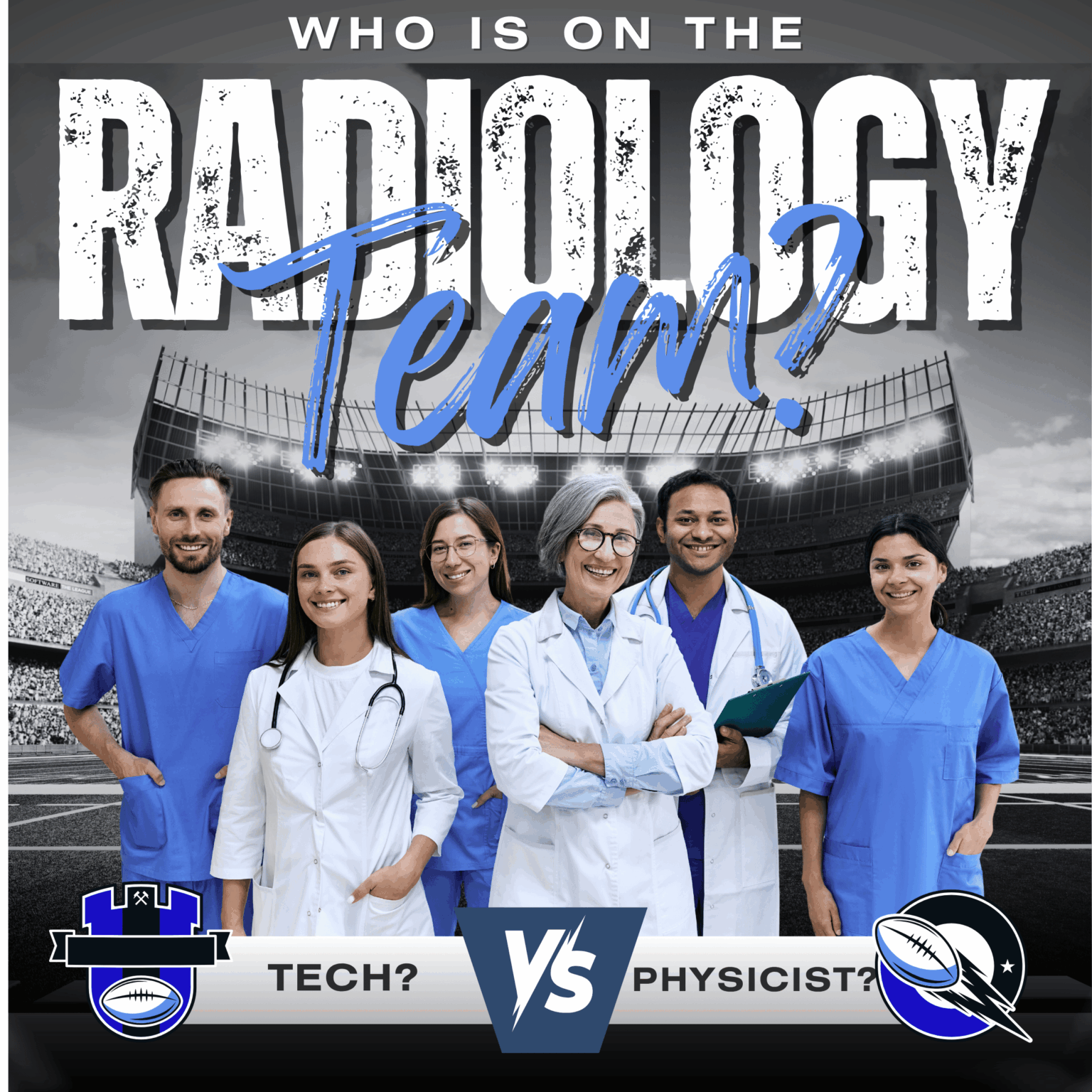
Who is on the Radiology Team?
If Radiology were a sport let’s look at who would be on the “RAD Roster” If you’ve ever had an X-ray, MRI, or CT scan, you’ve already experienced radiology, one of the behind-the-scenes areas of modern healthcare. But what exactly is radiology, and who are the people making it all work? The Instant Replay System in Radiology Think of radiology as the instant replay system in sports. When something important happens, you don’t just guess; you review the footage to understand exactly what’s going on. Radiology plays a huge role in early detection, diagnosis,…
If Radiology were a sport let’s look at who would be on the “RAD Roster”
If you’ve ever had an X-ray, MRI, or CT scan, you’ve already experienced radiology, one of the behind-the-scenes areas of modern healthcare. But what exactly is radiology, and who are the people making it all work?
The Instant Replay System in Radiology
Think of radiology as the instant replay system in sports. When something important happens, you don’t just guess; you review the footage to understand exactly what’s going on. Radiology plays a huge role in early detection, diagnosis, and even guiding treatments.
Common types of imaging include:
– X-rays – great for bones and detecting fractures
– CT scans (Computed Tomography) – detailed cross-sectional images
– MRI (Magnetic Resonance Imaging) – excellent for soft tissues like muscles, brain, and ligaments
– Ultrasound – often used in pregnancy and for organs like the liver or heart
– Mammography – specialized imaging for breast tissue
The “RAD ROSTER“
Main Roles in Radiology
Radiology isn’t just one job, it’s a team effort made up of several specialized professionals. Here are the key roles you’ll find:
1. Radiologist – The Doctor Behind the Images or the “Eyes of Medicine”
Radiologists are medical doctors who specialize in interpreting imaging studies.
What they do:
– Review and analyze images (X-rays, MRIs, etc.)
– Diagnose conditions like fractures, tumors, infections, and more
– Communicate findings to other doctors
– Sometimes perform image-guided procedures
Subspecialties include:
– Neuroradiology (brain and spine)
– Musculoskeletal radiology (bones and joints)
-Mammography Specialist (breast care)
– Interventional radiology (minimally invasive specialist)
What they do:
– Treat conditions without traditional surgery
– Use imaging to guide needles, catheters, or other tools
– Perform procedures like biopsies, stent placements, or clot removal
These procedures often mean:
– Smaller incisions
– Faster recovery times
– Less risk compared to open surgery
2. Radiologic Technologist – The Imaging Expert and Playmaker
Next up are the radiologic technologists, often called “techs”. These are the professionals you’re most likely to interact with during a scan.
What they do:
– Operate imaging equipment (X-ray, CT, MRI machines)
– Position patients correctly for accurate imaging
– Ensure patient safety and comfort
– Follow protocols to get high-quality images
They may specialize in areas like MRI, CT, or mammography. If this were a sports team, they’d be the ones executing the game plan on the field. Their skill ensures that the radiologist has the best possible images to review.
4. Sonographer – The team kicker & Ultrasound Specialist
Sonographers focus specifically on ultrasound imaging.
What they do:
– Use sound waves to create images of organs and tissues
– Perform scans during pregnancy
– Assist in diagnosing conditions in the abdomen, heart, and blood vessels
They also play a key role in patient interaction and comfort.
5. Radiology Nurse – The full back
Radiology nurses support patients undergoing imaging procedures, especially more complex ones.
What they do:
– Prepare patients for procedures
– Administer medications or contrast agents
– Monitor patients during and after procedures
– Provide care and reassurance
6. Medical Physicist & Engineers – The offensive line: The Safety and Quality Experts
Medical physicists work behind the scenes to ensure imaging is safe, accurate and functioning properly. They also help minimize radiation exposure while maintaining high-quality images. Think of them at the front line and ensure a good game.
What they do:
– Calibrate and test imaging equipment
– Ensure radiation doses are kept as low as possible
– Maintain quality standards
– Support new technology implementation
Why Does Radiology matter?
Radiology is central to modern medicine. It helps:
– Detect diseases early
– Guide treatment decisions
– Monitor progress and recovery
– Reduce the need for invasive procedures
Without radiology, many diagnoses would be slower, less accurate, or more invasive. Radiology is much more than just “taking pictures.” It’s a collaborative field filled with highly trained professionals working together to improve patient care. Whether it’s the technologist guiding you through a scan, the radiologist interpreting the results, or the nurse supporting your procedure, each role plays a vital part in helping people get answers and heal.
If you’re considering a career in healthcare, radiology offers a wide range of paths, from hands-on patient care to advanced medical specialization, all centered around cutting-edge technology and real impact. And just like in sports, when everyone plays their part well, the whole team wins.
Visit Blue Rock Medical today

Visit Blue Rock Medical today
Address
3152 N University Ave, Provo, UT 84604
Phone Number
Hours
Monday - Friday
7am - 6pm