

 Family Medicine
 Imaging Center Services
 Interventional Radiology
 Urgent Care
 Vein Center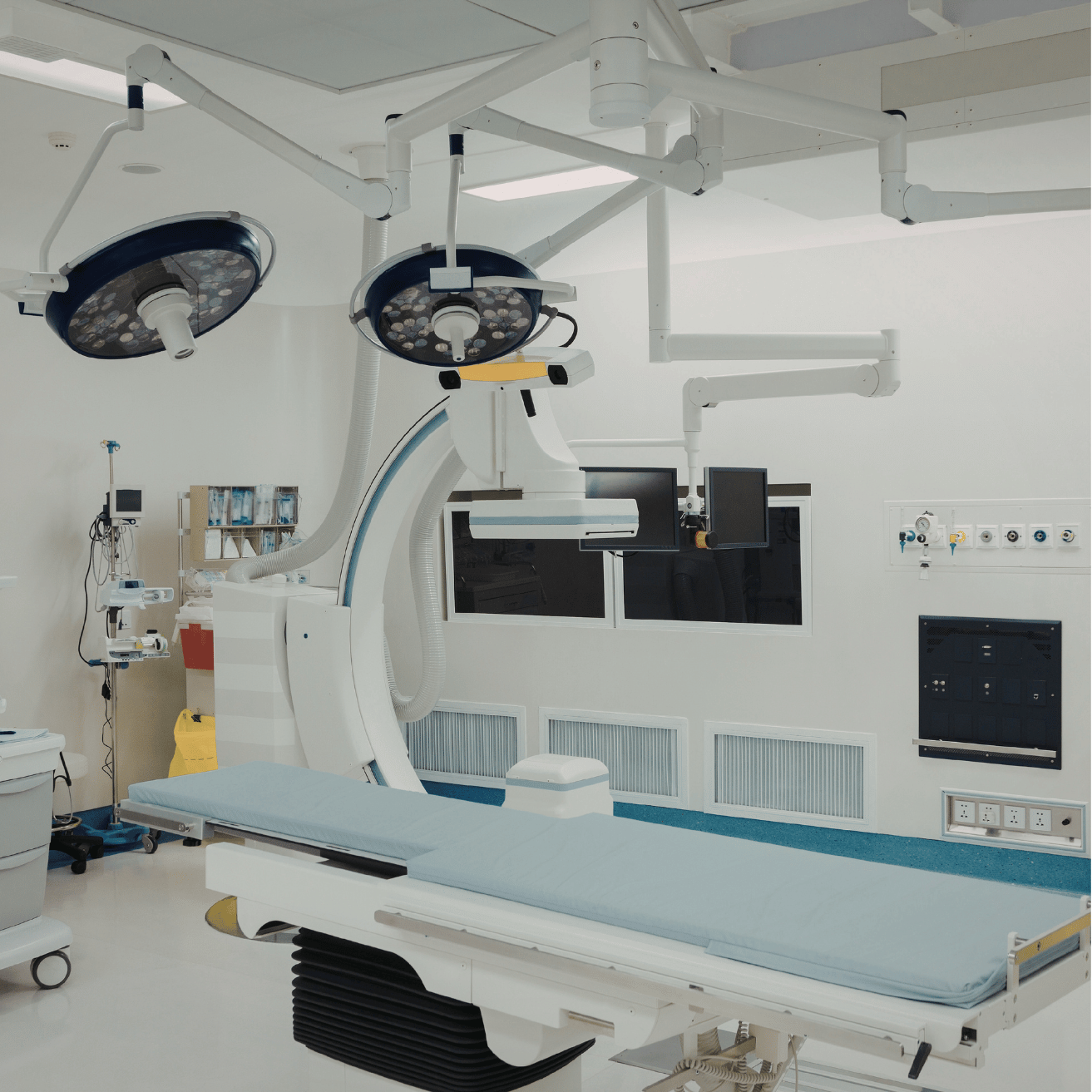
What is Interventional Radiology?
Interventional radiology is a medical specialty that uses imaging like X-rays, ultrasound, CT scans, or MRI to guide doctors in performing procedures inside the body without large incisions. Instead of “open” surgery, interventional radiologists use small tools like thin tubes (catheters) or needles, usually inserted through a tiny puncture in the skin. What Makes It Different? Traditional surgery often requires: Interventional radiology, on the other hand, typically involves: For many patients, this means getting back to normal life much faster….
Interventional radiology is a medical specialty that uses imaging like X-rays, ultrasound, CT scans, or MRI to guide doctors in performing procedures inside the body without large incisions.
Instead of “open” surgery, interventional radiologists use small tools like thin tubes (catheters) or needles, usually inserted through a tiny puncture in the skin.
What Makes It Different?
Traditional surgery often requires:
- Large incisions
- General anesthesia
- Longer recovery times
Interventional radiology, on the other hand, typically involves:
- Very small incisions (sometimes just a needle puncture)
- Less pain and scarring
- Shorter recovery times
- Often going home the same day
For many patients, this means getting back to normal life much faster.
What Conditions Can It Treat?
Interventional radiology is surprisingly versatile. Some common uses include:
1. Managing Pain
Procedures can target specific nerves or areas causing chronic pain, offering relief without major surgery.
2. Treating Varicose Veins
Minimally invasive techniques can close off problematic veins, improving both symptoms and appearance.
3. Women’s Health
Conditions like uterine fibroids can often be treated without surgery using a procedure called uterine fibroid embolization.
4. Kidney and Liver Conditions
IR can help drain fluid, place stents, or treat blockages in organs like the kidneys and liver.
What Happens During a Procedure?
While every procedure is different, most follow a similar pattern:
- Preparation: You’ll receive instructions beforehand, and may be given medication to help you relax.
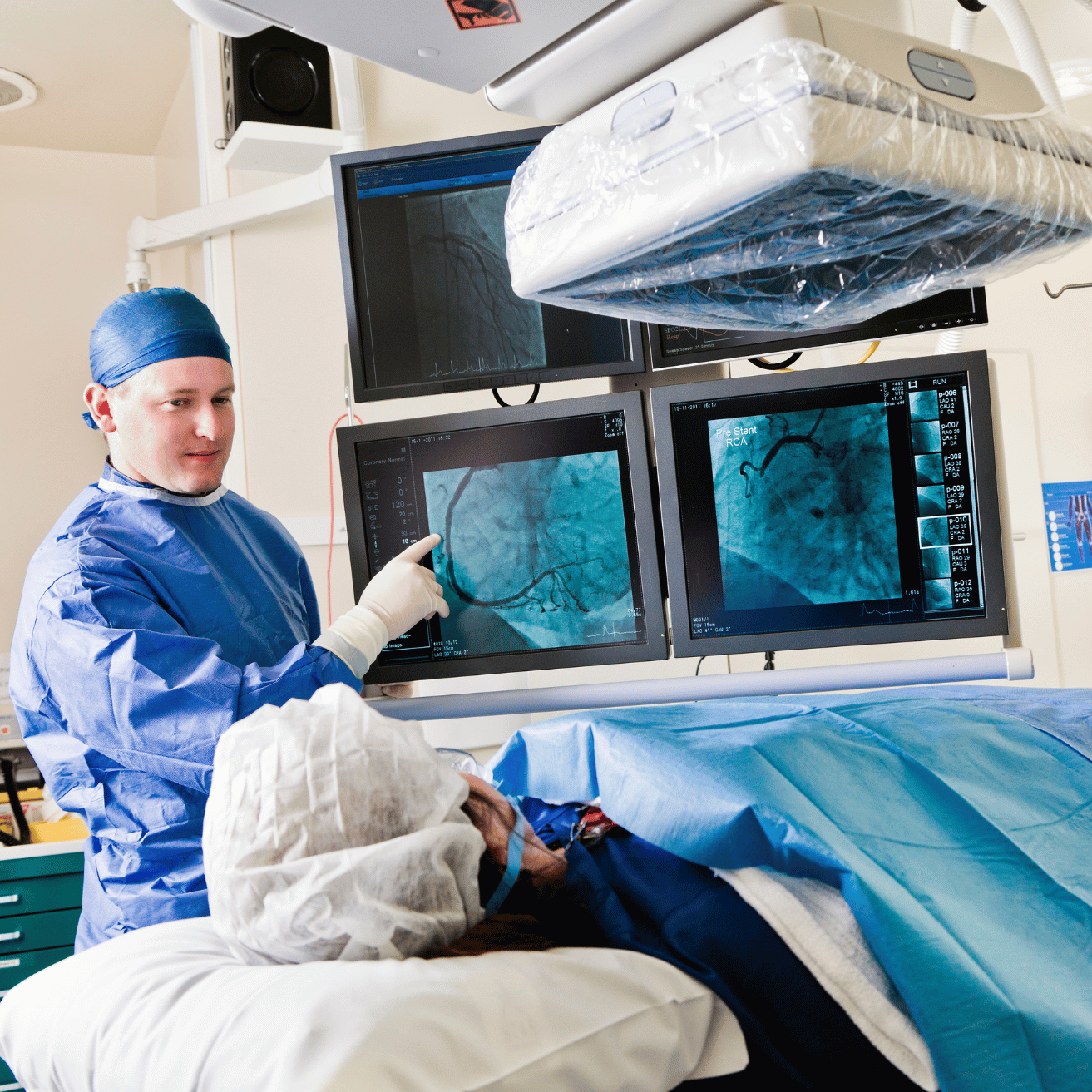
- Imaging Guidance: The doctor uses real-time imaging to “see” inside your body.
- Small Entry Point: A tiny incision or needle is used to access the treatment area.
- Treatment: Specialized tools are guided precisely to the target.
- Recovery: Many patients go home the same day or after a short stay.
Is It Safe?
All medical procedures carry some risk, but interventional radiology is generally considered very safe. Because it’s minimally invasive, there’s often:
- Less risk of infection
- Less bleeding
- Fewer complications compared to traditional surgery
Your care team will walk you through any specific risks based on your condition.
Who Performs These Procedures?
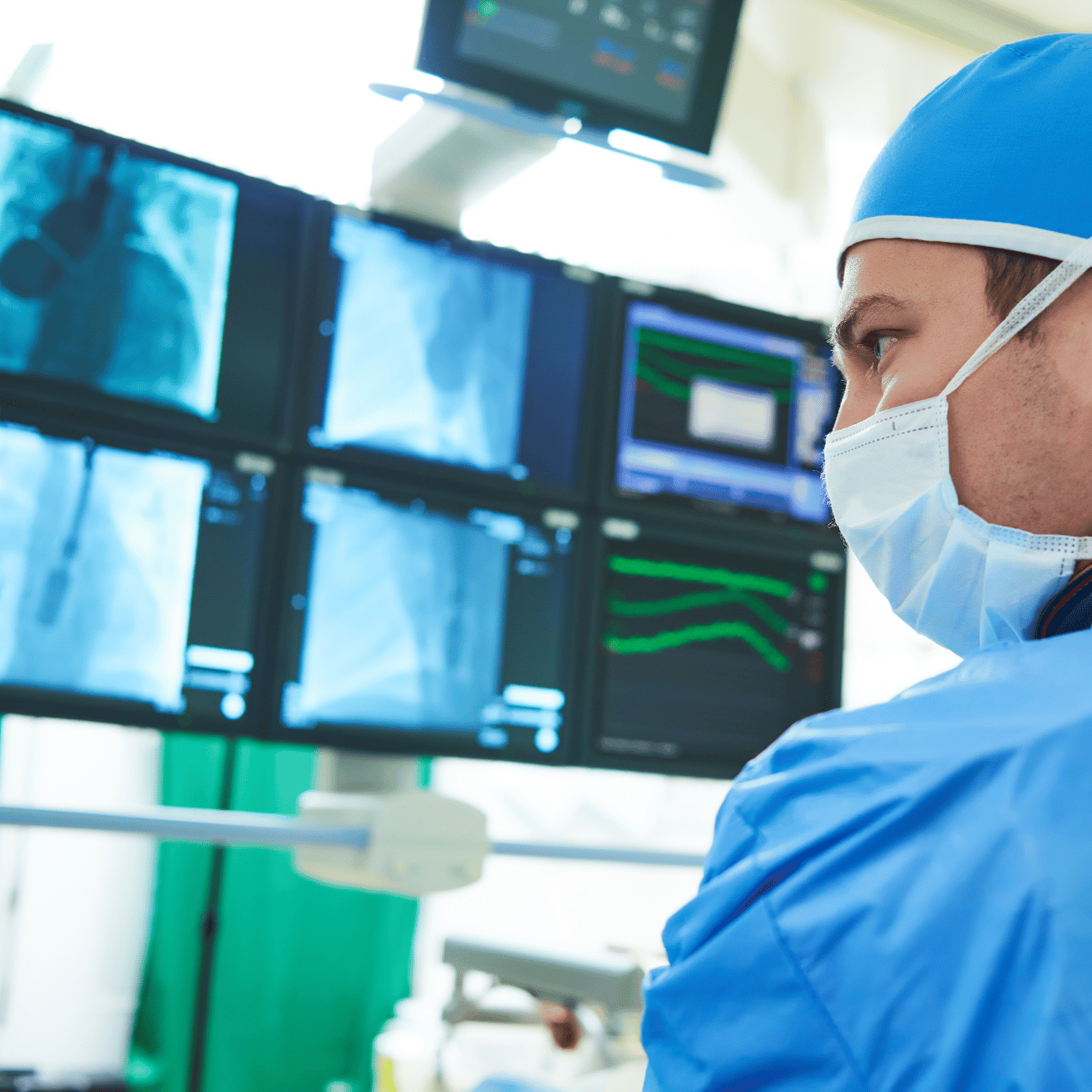
Interventional radiologists are doctors who have specialized training not only in reading medical images but also in performing procedures using those images as guidance. Think of them as both imaging experts and procedural specialists.
Why Patients Often Prefer IR
Patients frequently choose interventional radiology because it offers:
- Faster recovery
- Less discomfort
- Minimal scarring
- Effective results without major surgery
In many cases, it can be an excellent alternative when surgery feels overwhelming or risky. Interventional radiology represents a shift in how we approach treatment, moving toward less invasive, more precise care that prioritizes patient comfort and recovery.
If your doctor mentions IR as an option, it’s worth asking questions and learning more. For many people, it provides a safe, effective path to treatment with fewer disruptions to daily life.
Have questions about a specific procedure? Your healthcare provider or interventional radiology team can help you understand exactly what to expect and whether it’s the right option for you.
Visit Blue Rock Medical today
Visit Blue Rock Medical today
Address
3152 N University Ave, Provo, UT 84604
Phone Number
Hours
Monday - Friday
7am - 6pm